

Signs You Need to Bring Your Audi to the Shop
Audis often give clear signals before a small issue turns into a major repair. Paying attention to them can save time and money.
- Cold-start rattle or ticking: A brief metallic rattle or chain-like noise when you first start the car (especially after sitting overnight) can point to timing-chain tensioner or guide wear on many 2.0T and some V6 engines. It’s worth diagnosing promptly rather than waiting to see if it gets louder.
- Low coolant, sweet smell, or overheating warnings: Plastic water-pump and thermostat housings are common wear items. A low-coolant light, a sweet smell under the hood, or rising temperature in summer traffic are reasons to schedule an inspection before heat soaks cause bigger damage.
- Rising oil use or blue smoke: If you’re adding oil between changes, noticing blue smoke on startup, or seeing oil residue around the engine, it may be related to PCV issues, seals, or rings; problems that also accelerate carbon buildup on direct-injection engines.
- Rough idle, misfires, or a persistent check engine light: Carbon on intake valves, failing coils, or PCV problems frequently show up as a rough idle, hesitation, or a light that returns after basic sensor or coil replacement. Proper diagnosis identifies the root cause instead of guessing at parts.
- Harsh shifts, shudder, or delayed engagement: Dual-clutch (S-tronic / DSG) and automatic transmissions can develop shudder or harsh shifts when fluid is overdue or internal components are stressed by heat and stop-and-go driving. Early fluid service or diagnosis is usually far less expensive than waiting.
- Warning lights, battery drain, or electrical quirks: MMI freezes, random warning messages, dimming lights, or a battery that dies after the car sits can stem from parasitic drains, aging modules, or charging-system issues. These are easier to pin down with the right scan tools and a methodical approach.
- Pulling, uneven tire wear, or suspension sag: Control-arm bushings, wheel bearings, and (on some Q7 and similar models) air suspension components wear with Canyon and freeway miles. A pull, vibration, or noticeable drop in ride height is a good reason for a multi-point inspection.
- Reduced A/C performance in summer heat: Valley summers push cooling systems hard. Weak airflow, warm air at idle, or unusual smells from the vents are worth checking before the hottest months.
None of these symptoms automatically mean a major repair is coming. Many turn out to be straightforward maintenance or a single worn component. The helpful step is to have them checked while they’re still small.
Audi Models We See Most Often For Repairs and Maintenance
We work on the full Audi lineup, but certain platforms show up at our shop again and again because they are popular here and because their known weak points appear right as factory warranty ends.
- A4 / A5 (especially B8 and early B9, 2.0 TFSI): The 2.0T is the volume engine. Earlier EA888 generations are known for timing-chain tensioner wear (cold-start rattle), oil consumption, PCV issues, and carbon on the intake valves. Later generations improved the chain design but still need water-pump and thermostat-housing attention and correct oil intervals.
- Q5: Same 2.0T and 3.0T patterns as the A4/A6 family, plus extra strain on brakes, bushings, and AWD components from mixed freeway and canyon use. Cooling-system leaks and carbon-related misfires are common reasons Q5 owners leave the dealer.
- A6 / A7 / S4 / S5 / SQ5 (3.0 TFSI and later 3.0T): Supercharged and turbo V6 cars are strong when maintained and expensive when ignored. Water-pump and thermostat housing leaks, PCV failures in the valley of the engine, carbon buildup, and, on some later EA839 engines, coolant-module failures that can get serious if coolant enters the vacuum system.
- Q7 / Q8 / A8: Heavier vehicles, more electronics, and often air suspension. Timing access on some V6 engines is labor-intensive. Air springs and compressors sag in heat. MMI and battery-drain complaints are frequent on well-optioned examples.
- S / RS and TT: Higher output, harder use, and tighter packaging. Brakes, cooling, and ignition components wear faster. Electrical diagnosis on the TT and similar platforms rewards a shop that will actually chase the fault instead of parts-cannoning modules.
None of these models is “unreliable” if service is timely. Most expensive Audi repairs start as a noise, a smell, a slow leak, or a light that sat ignored.
Common Audi Repairs and Maintenance Needs
Audi maintenance is not generic “lube and filter.” Fluids, intervals, and procedures are specific. Skipping them is how a $200 service becomes a $4,000 engine or transmission conversation.
Routine service we perform to manufacturer guidelines includes:
- Oil and filter service with the correct VW/Audi spec
- Cabin and engine air filters
- Brake fluid exchanges
- Spark plugs and ignition coils on TFSI engines
- Transmission and DSG / S tronic fluid and filter service when due
- Differential and transfer-case fluid on Quattro models
- Coolant system inspection and service
- Multi-point inspections that look at leaks, boots, belts, and suspension
Repairs we see repeatedly:
- Water pump and plastic thermostat housing leaks
- Timing chain tensioner and guide wear (listen for a brief rattle on cold start)
- Intake-valve carbon cleaning on direct-injection engines
- PCV / oil separator failures that increase oil use and carbon
- Rear main seal and other oil leaks
- Turbo wastegate rattle on some 2.0T applications
- S-tronic / DSG shudder, harsh shifts, and mechatronic issues
- Control-arm bushings, wheel bearings, and brake wear
- Air-suspension leaks and compressor failure on Q7 and similar models
- Battery, charging-system, and parasitic-drain diagnosis (MMI and convenience modules)
- A/C performance in summer heat
If a check engine light is on, we diagnose before we quote parts.
What Makes Audi Repair Different From Mainstream Service
Audis share platforms and engines across the Volkswagen Group. That is useful if the shop understands the family. It is expensive if the shop does not.
Some items to keep in mind include:
- Direct injection and carbon: Fuel never washes the backs of the intake valves. Carbon builds. Idle gets rough. Misfires return after coils are replaced. In traffic, short trips make it worse. Cleaning is a procedure, not a bottle of additive.
- Interference engines and timing: A tired tensioner is not a “noise to live with.” On many 2.0T and some V6 applications, a jumped chain is engine damage. Cold-start rattle deserves same-week attention, not a “see if it gets worse.”
- Cooling systems with plastic housings: Water pumps and thermostat assemblies are wear items, often in the 60,000 to 100,000-mile window, sometimes earlier in heat. A small coolant smell or a low-coolant warning is cheaper than a warped head.
- Packaging and labor hours: On several V6 engines, the timing chains sit at the rear of the motor. Access can mean transmission removal. That is why a “cheap timing job” quote can be a red flag.
- Electronics and modules: MMI freezes, battery drains, lighting faults, and driver-assist warnings need proper scanning and wiring discipline. Guessing at modules is how owners get a second bill.
- Fluids are not interchangeable: Wrong oil, wrong DSG fluid, or a skipped Quattro service does not show up the next day. It shows up as sludge, shudder, or a failed pump a year later.
- Quattro and dual-clutch behavior: AWD clutches and dual-clutch units need correct fluid and adaptation. Heat plus stop-and-go is the opposite of a gentle highway break-in.
A capable independent shop like ours treats those as known patterns. A generalist treats them as surprises.
What You Gain by Servicing Your Audi at AutoAid Instead of the Dealer
The dealer is generally the right place for factory-warranty repairs and recalls. Once the car is out of bumper-to-bumper coverage, or you simply want maintenance done without dealership overhead, a qualified independent shop like AutoAid is usually the better value.
What you are paying for at a dealer: Large facility, brand standards, and a service lane built around volume. Labor rates and parts markups reflect that. Wait times often do too.
What you get at AutoAid:
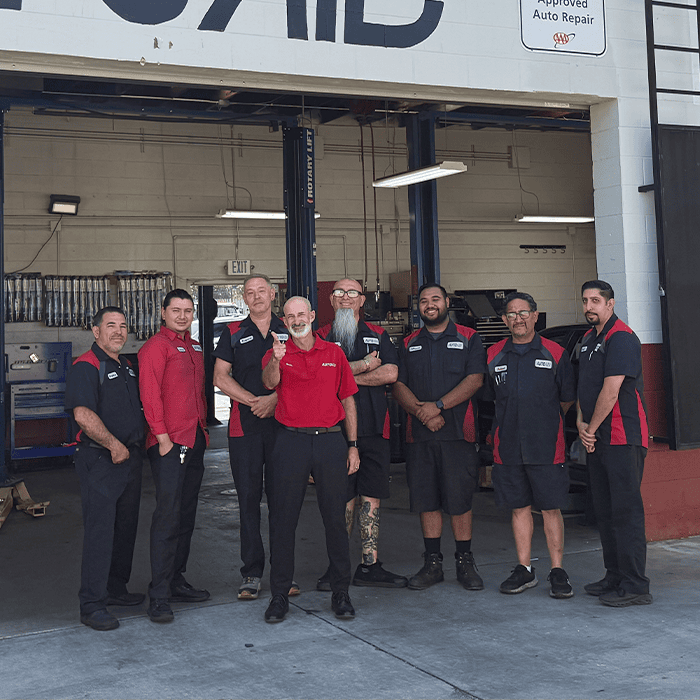
- ASE Master Certified technicians experienced with European vehicles, including Audi
- Work performed to OEM specifications with quality parts
- A 3-year/36,000-mile nationwide warranty on newly installed parts (excluding rebuilt or remanufactured components and friction wear items)
- Upfront estimates and no hidden fees
- Direct conversation about what is urgent, what can wait, and why
- Pickup and delivery, shuttle, key drop, and walk-ins
- A Van Nuys location that is easier for much of the Valley than sitting in a dealer lot
- Family ownership since 1979, not a rotating service advisor
Your factory warranty is not voided because you left the dealer for maintenance. A manufacturer cannot require dealer-only service to keep the warranty, as long as the work is done correctly with appropriate parts.
Use the dealer for covered warranty work and open recalls. Use AutoAid for everything else that needs to be done right and explained clearly.
Schedule Audi Service at AutoAid Today
If your Audi is due for service, or you’re noticing coolant loss, a cold-start rattle, rising oil use, rough shifting, or a warning light, it’s worth getting it checked before a small issue becomes a larger one.
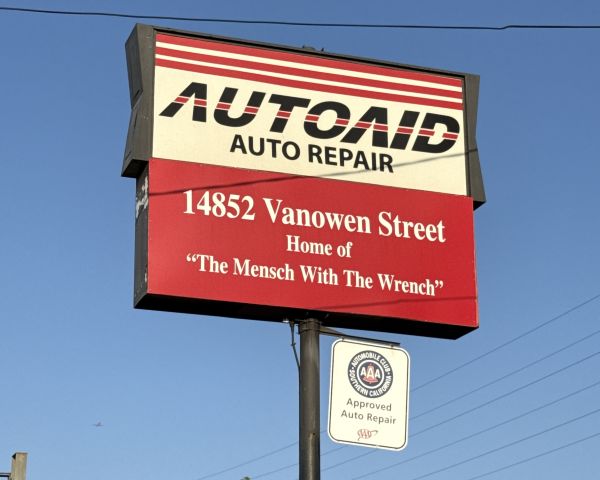
AutoAid is at 14852 Vanowen Street in Van Nuys and serves Audi owners throughout the San Fernando Valley. We’re open Monday through Friday, 8 a.m. to 5 p.m.
Call (818) 296-0782 to schedule an appointment, arrange pickup, or ask whether the symptom you’re hearing needs prompt attention. Walk-ins are welcome, and a secure key drop is available if you need to leave the car outside business hours.
We’ve been part of this neighborhood for more than 40 years. Our focus is straightforward: clear answers, careful work, and getting your Audi back on the road with confidence.